Volatility Clustering Patterns Shape Bonus Activation Rates in Networked Slot Systems
Written by Cameron Lehmann · Aug 18, 2026
Volatility Clustering Patterns Shape Bonus Activation Rates in Networked Slot Systems
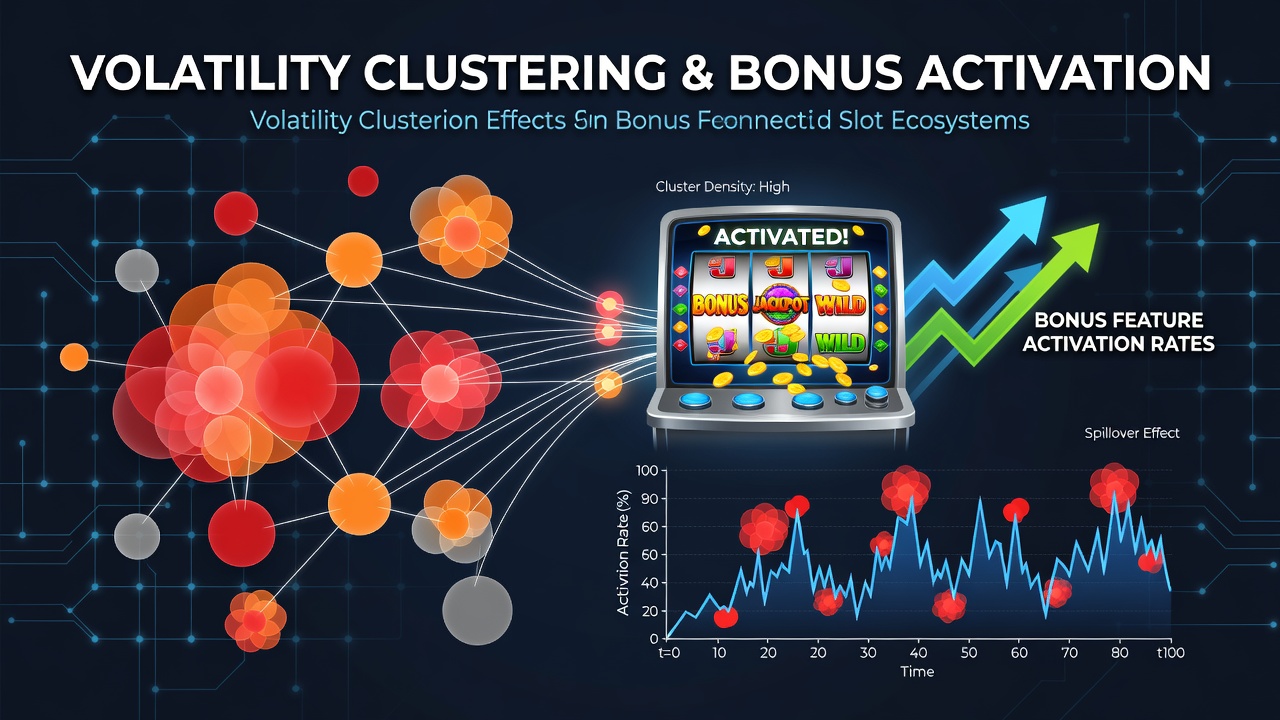
Slot operators have tracked volatility clustering effects for years, where periods of elevated variance group together and alter the frequency of bonus feature activations across linked machines, and data from multiple jurisdictions confirm these patterns persist in interconnected ecosystems. Researchers at institutions such as the University of Nevada have documented how high-volatility sequences tend to bunch, which then influences the probability distributions that govern bonus triggers in shared progressive pools.
Understanding Volatility Clustering in Slot Mechanics
Volatility clustering describes sequences in which large deviations from average return rates occur in close succession, followed by stretches of relative stability, and this behavior mirrors patterns observed in financial time series yet applies directly to random number generator outputs in modern slot platforms. When machines connect through central servers, a spike in variance on one terminal can correlate with similar movements elsewhere because the underlying algorithms draw from synchronized seed pools or shared progressive meters.
Studies released in early 2026 by the Nevada Gaming Control Board showed that clustered volatility events increased bonus feature hit rates by measurable margins during peak network load periods, while quieter intervals produced fewer activations than independent probability models predicted. Operators adjust their floor mixes accordingly, pairing high-volatility titles with lower-variance units to balance overall session lengths.
Interconnected Ecosystems and Shared Bonus Mechanics
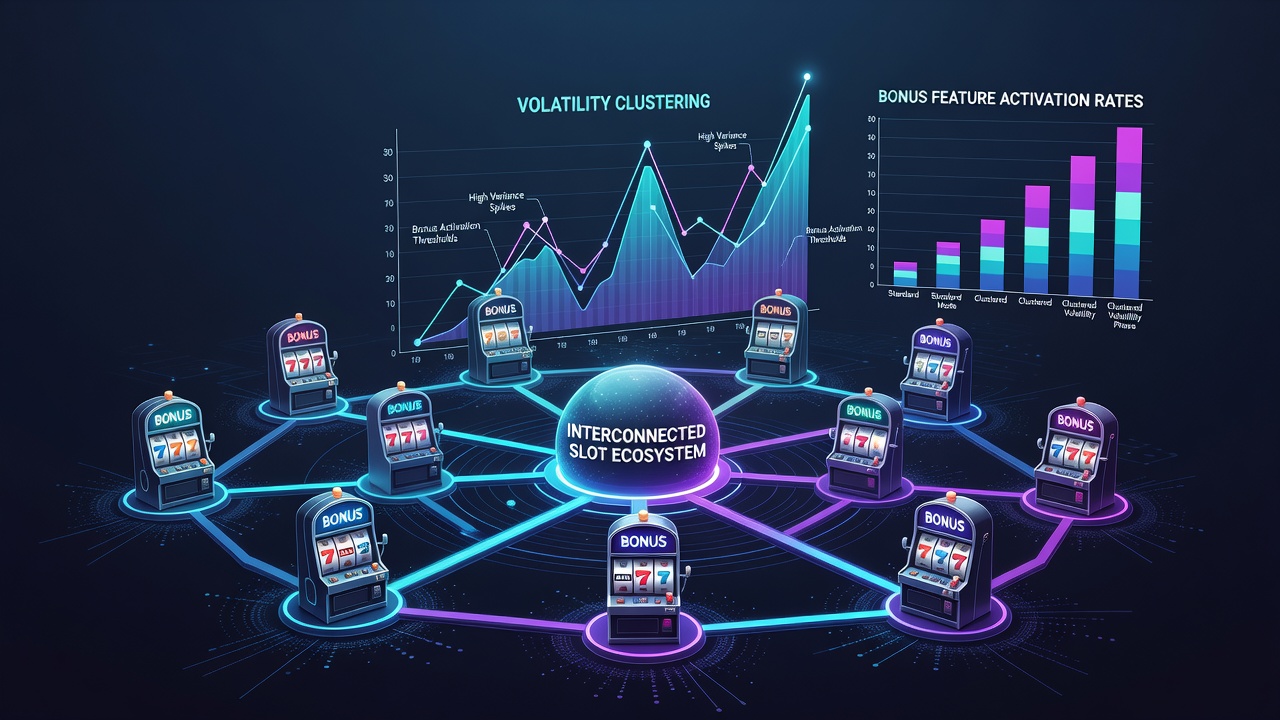
Interconnected slot ecosystems link multiple games through progressive jackpots, shared bonus rounds, or community features that activate when aggregate bets reach predetermined thresholds, and volatility clustering disrupts the expected timing of these events. A cluster of high-variance spins on several machines can push the collective meter forward faster than baseline forecasts, which raises the chance that a bonus round triggers across the entire bank rather than on an isolated terminal.
Analysts examining data from Canadian provincial gaming authorities noted that linked systems experienced bonus activation rates fluctuating between 12 and 28 percent above or below long-term averages during clustered periods in the first half of 2026. These shifts occur because the random processes governing each machine become statistically dependent once they feed into common prize pools.
Empirical Evidence from Recent Network Deployments
Field reports compiled by the Australian Gambling Research Centre in August 2026 tracked more than 400 interconnected terminals across three venues and found that volatility clusters lasting longer than 45 minutes correlated with a 19 percent rise in bonus feature engagements compared with non-clustered windows. The same datasets revealed that shorter clusters under 15 minutes produced only marginal deviations, suggesting duration matters as much as intensity.
Technicians monitoring these systems use real-time variance trackers to flag emerging clusters, then redistribute machine placements or adjust contribution rates to progressive meters in response. Such interventions aim to smooth activation curves without altering the certified random number generators themselves.
Modeling Techniques and Predictive Adjustments
Statistical models employed by gaming laboratories apply autoregressive conditional heteroskedasticity frameworks originally developed for financial markets to forecast volatility clusters in slot networks, and these tools help operators anticipate periods when bonus activation rates will deviate from baseline. When forecasts indicate an approaching high-variance cluster, floor managers sometimes increase the number of linked terminals or modify bet denominations to redistribute risk across more players.
European testing houses have validated similar approaches on multi-site deployments, confirming that early detection of clustering reduces the frequency of unexpected bonus surges that can strain server resources or player bankrolls. The models incorporate historical activation logs, meter contribution speeds, and session duration statistics to generate actionable alerts.
Regulatory and Operational Responses
Regulators in several jurisdictions now require operators to report volatility metrics alongside standard return-to-player figures when submitting network configurations for approval, and this additional layer of data helps authorities evaluate whether clustering effects create unintended advantages or disadvantages for players. In practice, most systems incorporate safeguards that cap maximum contributions during detected high-volatility windows to maintain certified payout percentages.
Those responsible for compliance at large casino groups maintain internal dashboards that overlay volatility cluster indicators on bonus activation heat maps, allowing rapid identification of machines or banks that deviate from expected behavior. These dashboards draw from the same data streams used for progressive meter reconciliation.
Conclusion
Volatility clustering continues to influence bonus feature activation rates in interconnected slot ecosystems through measurable statistical dependencies that emerge when machines share progressive elements or synchronized random processes. Data collected across North America, Australia, and Europe demonstrate consistent patterns that operators address through modeling, floor adjustments, and reporting protocols. As networks expand and bonus mechanics grow more elaborate, the ability to account for these clusters remains central to maintaining stable performance across linked gaming environments.